When Is the Best Time to Lay Turf in London? (Hint: It's Not Spring)
Lawn Installation & Ground Preparation Guide | The Tree Amigos
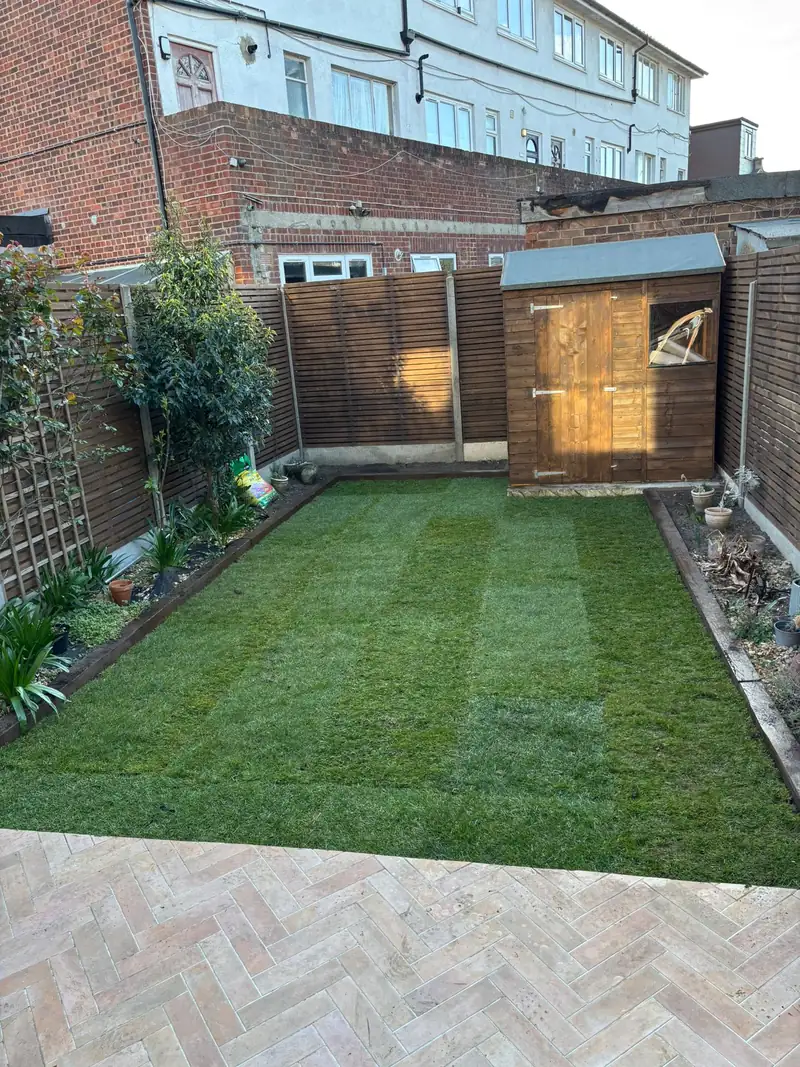
The short answer: the best time to lay turf in London is early autumn - roughly September into October - when the soil is still warm, the rain is reliable, and your new lawn can quietly knit itself together before next summer. Spring can work, but in London’s climate and on London clay, it’s usually the more stressful option for both you and the grass.
Why Timing Your Turf Matters
Laying turf looks instant - one day of work and you’ve gone from mud to a green carpet. What you don’t see is the weeks of root development happening underneath. That’s where timing becomes critical.
UK horticultural advice is clear: turf is best laid from mid-autumn to early spring, avoiding hot, dry spells where possible. Turf growers and landscapers consistently highlight September and early October as the sweet spot - warm soil, cooler air, and regular rainfall that all help roots go deep without constant hosepipe duty.
In other words, the best time to lay turf in the UK isn’t about calendar tradition. It’s about soil temperature, moisture, and how much stress you put the grass under while it’s trying to settle.
Why Autumn Beats Spring in London
Most people assume spring is the obvious time for a new lawn. You get that instant green-up, the garden feels fresh, and you can enjoy it through summer. The problem is what happens to spring-laid turf when London hits its first dry spell.
Warm soil, cool air, steady rain
By early autumn in London, the soil has stored months of warmth, but the air temperature has dropped back to something kinder. Rainfall becomes more regular and daylight hours start to shorten. That combination gives you:
- Warm, moist soil that encourages deep root growth
- Less evaporation - the turf doesn't dry out as quickly
- Lower mowing pressure - you can leave a new lawn relatively undisturbed for several weeks
In contrast, turf laid in early spring often needs much more watering to survive its first summer. The RHS specifically warns that spring-laid turf usually needs additional irrigation during dry spells, and that mowing too soon can stress the grass and delay rooting.
London's micro-climate advantage
Southern England, including London, has one of the longest turfing windows in the UK. Autumn turfing runs from September to late October in and around London; spring runs roughly mid-March to May - but ideally finishing before hot weather arrives. For most London gardens, September is the champion month: you get the benefit of summer-warmed soil with far less drought risk.
At The Tree Amigos, we lean heavily into that autumn window for turfing London gardens. It means we can lay your lawn, let it quietly root over winter, and you step onto a resilient, drought-ready lawn when the next summer arrives.
The London Clay Problem
If you live in London, you’re almost certainly dealing with clay. Clay soils are heavy, slow-draining, and slow to warm up - with a tendency to compact and puddle when walked on wet. That’s exactly what you don’t want under a new lawn.
Heavy clay under turf causes a few predictable problems:
| Problem | Cause | Result |
|---|---|---|
| Poor drainage | Clay particles bind tightly, blocking water movement | Water sits at the surface - moss, yellowing and patchy growth |
| Compaction | Walking on wet clay squeezes out air pockets | Roots cannot penetrate - shallow, weak lawn |
| Slow warming in spring | Clay retains cold longer than sandy or loamy soils | Late establishment - lawn struggles after a wet winter |
Trying to fix clay by throwing a bit of sand on top doesn’t really work. It takes enormous volumes of sand or grit to genuinely dilute clay - for most gardens it’s simply impractical. That’s why on our turfing jobs we focus on building a proper enriched top layer above the clay, rather than pretending we can magically turn Woolwich sub-soil into sandy loam.
Ground Preparation and Soil Enrichment
Every good lawn starts with unglamorous groundwork. The way the soil is prepared is just as important as the turf you buy. Before we lay a single roll, our standard process across London is:
- 1. Strip existing grass and debris - removing all organic material and weeds to prevent regrowth through your new lawn.
- 2. Cultivate the soil to around 150–200mm - breaking up compaction so roots can move freely downward.
- 3. Incorporate bulky organic matter - compost and well-rotted material to improve structure, drainage and moisture-holding on clay.
- 4. Shape subtle falls and camber - so surface water runs off rather than sitting as puddles.
The result:
You're not just buying rolls of grass - you're buying a new, breathable root zone tailored to London clay. That's the difference between a lawn that looks great for one season and one that's still going strong in year five.
Professional Installation vs DIY Garden Centre Rolls
You can lay turf yourself. Buy some rolls from the garden centre, lay them down, and hope for the best. The difference with a professional install is what happens two, five and ten years down the line.
The common DIY problems we see on rescue jobs across South East and South West London:
- Turf laid straight onto compacted clay with no meaningful cultivation
- Minimal organic matter - the lawn sits on a hard, wet pan
- Poor jointing with visible seams that dry out faster and invite weeds
- No thought about drainage - everything flows towards the house or the lowest corner
Turf laid onto poorly prepared ground develops bare patches, waterlogging, and root failure within its first few seasons.
On a professional turfing job, Billy and Vincent oversee the full process:
- Soil assessment and level survey before work starts
- Breaking up the clay sub-base and building an enriched top layer
- Laying premium UK-grown turf in a tight staggered pattern with air pockets pressed out
- Precise cutting along edges, beds and paths so the lawn looks designed, not slapped on
This is part of our wider approach to full garden makeovers - where the lawn is designed to work alongside your patio, fencing and planting rather than being an afterthought. If your plot is overlooked by neighbouring windows, explore our guide on adding privacy to an overlooked London garden.
Aftercare: Watering, Walking and the First Mow
New turf looks ready to use straight away, but the first few weeks are when you make or break that investment.
Watering
For the first 10–14 days, water daily so moisture reaches through the turf into the soil below. From weeks 2–4, gradually reduce to every other day, then once or twice a week depending on weather. The mistake we see most often? A big soak on day one, then hoping the rain will do the rest. On London clay that usually leads to a wet surface sitting on a dry sub-base - shallow roots and weak turf.
Walking
Avoid general foot traffic for roughly 3 weeks, other than what’s necessary to water. By 4–6 weeks, the lawn should be well rooted and able to cope with normal family use. A simple test: gently lift a corner of turf - if it resists and feels firmly attached, roots have taken and the lawn is ready for light use.
First Cut
Around the 3-week mark, on the highest blade setting. Tug the grass first; if the turf lifts, leave it a few more days. Cutting too short early on stresses the grass and slows establishment - keep that first cut gentle and collect the clippings.
When NOT to Lay Turf
You can lay turf almost year-round, but there are times we’ll strongly advise against it:
- Frozen ground - roots can't penetrate, and walking on frozen turf snaps grass blades and causes black patches.
- Peak summer heat - turf needs heavy, frequent watering to survive, and hosepipe bans can turn it into an expensive headache.
- Severely waterlogged clay - if you leave deep footprints when you walk, you'll compact the soil and lock future problems into the lawn.
This is where a site visit from someone who works with London gardens all year round earns its keep. We’ll look at your soil, access, aspect and timing, then tell you honestly whether to crack on or hold fire for a better window.
Turfing London with The Tree Amigos
If you’re looking at your garden in Woolwich, Wandsworth or Wimbledon thinking “it’s just mud and moss - I need a proper lawn”, this is exactly the kind of work we do day in, day out. We handle turfing and ground preparation across all 32 London boroughs - as well as dedicated local lawn installations via our South East London Turf Hub and Artificial Grass Hub. If you are still deciding between living turf and synthetic lawn, read our guide comparing artificial vs real grass in London.
We only take on hard landscaping and garden installations - porcelain patios, paving, composite decking, fencing, pergolas and full garden makeovers including complete lawn transformations with premium turf and soil enrichment. We don’t offer ongoing lawn maintenance or tree surgery: our focus is getting the foundations right so your lawn is easy to look after with normal homeowner care.
Explore Local Lawn & Artificial Grass Specialists
Looking for professional lawn installation tailored to your specific South East London area? Explore our dedicated local specialists for both natural turfing and artificial grass:
Natural Turf Specialists
Artificial Grass Specialists
Get a Free On-Site Turfing Quote
For a free on-site quote for turfing done properly on London clay, call or WhatsApp Billy and Vincent.
Book Your Free QuoteCall us on: 07470 419 056
FAQ: Turf Laying in London
When is the best time to lay turf in London?
Early autumn - especially September into October - when soil is warm, air is cooler and rain is reliable. Spring (March–May) can work, but expect more watering and stress as the lawn hits its first summer.Can I lay turf in winter in London?
Yes, as long as the ground isn't frozen. Growth slows or goes dormant in cold spells, but the lawn starts rooting as temperatures rise. The key is not walking on it when it's frozen and being patient with establishment.How long before I can walk on new turf?
Avoid general foot traffic for around 3 weeks, other than what's needed to water. By 4–6 weeks, most properly prepared lawns are ready for normal family use.Is spring really the best time to lay turf in the UK?
Spring gives fast visual green-up, but horticultural advice increasingly favours autumn for deep root establishment and reduced watering - particularly in the South East. In London specifically, autumn is the smarter long-term choice.Can I lay turf directly onto London clay soil?
You can, but you'll almost certainly regret it. Clay compacts and drains poorly, which leads to puddling and weak roots. Break up the clay to 150–200mm, add plenty of compost or well-rotted organic matter, and create a free-draining enriched top layer before laying.Explore Our Services:
Source basis: RHS lawn-laying and clay soil guidance, UK turf grower establishment guides (Turf Online, George Davies Turf, Hallstone, Buy Lawn Turf, Turfgrowers Association), and r/GardeningUK homeowner threads.