Artificial vs Real Grass: Which Is Right for Your London Garden?
Written by Billy Maddox, Co-Founder of The Tree Amigos Landscaping & Gardening
Updated: August 2026
Honest Comparison | 2026 Lawn Guide
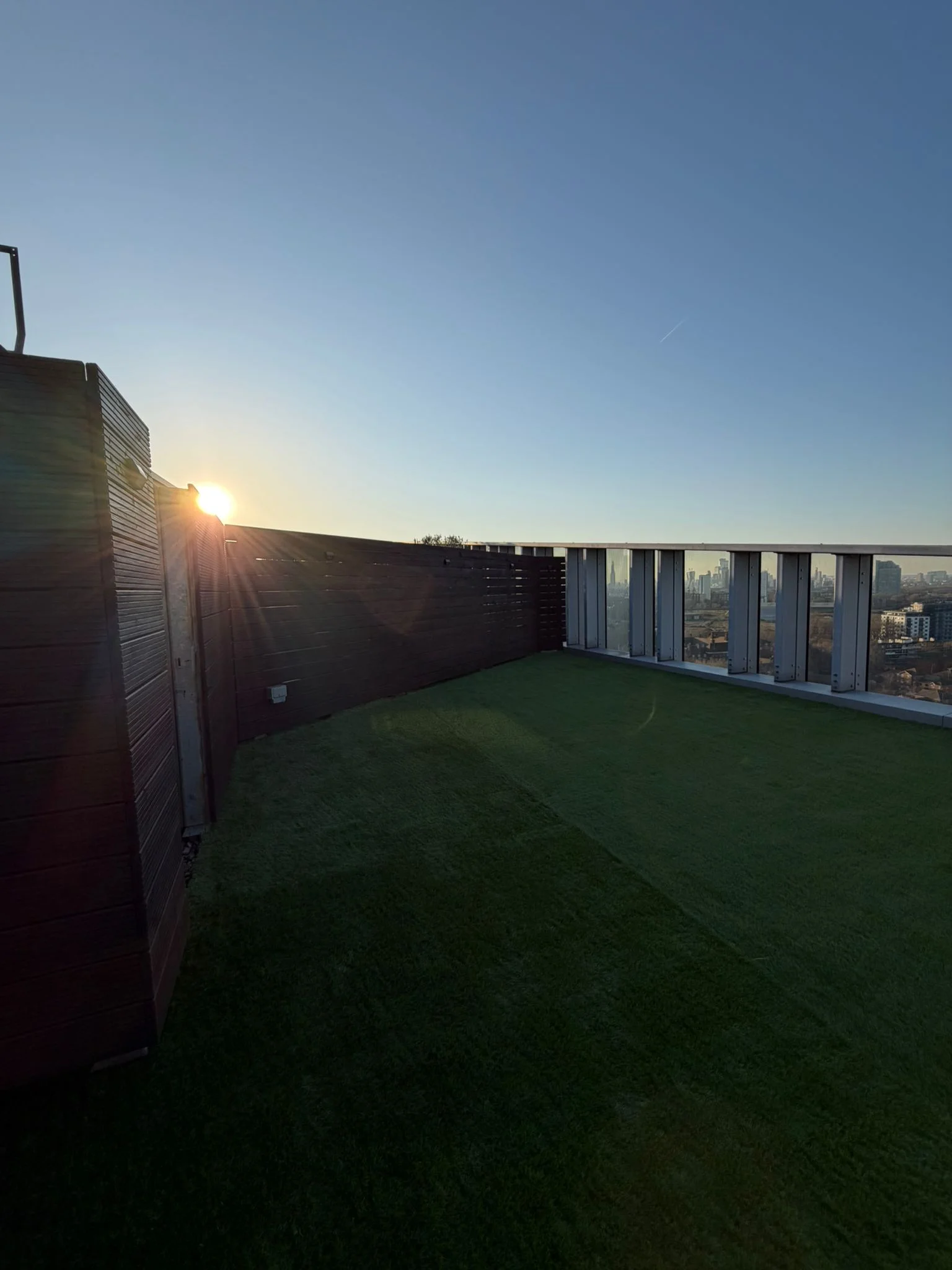
The short answer: there isn't a universal winner. Real grass is better for wildlife and stays cool underfoot, but it needs regular care and can look patchy under heavy use or deep shade. Artificial grass needs almost no upkeep once it's down, but it gets genuinely hot in direct sun, has a finite lifespan, and comes with a few London-specific planning questions that most guides skip. Which one is right for you depends on your garden's sun, footfall and how much lawn care you actually want to do.
We install and prepare the ground for both real turf and professional artificial grass installation across South East London, so we don't have a reason to steer you toward one over the other. Here's what actually matters when you're choosing.
What It Actually Costs to Own, Not Just to Lay
Real turf is cheaper to install than artificial grass, professionally laid with proper ground preparation. Artificial grass costs more upfront because you're paying for a built-up drainage layer as well as the product itself — but the running costs move the other way.
A real lawn needs ongoing mowing, feeding and the odd repair, whether you do it yourself or pay someone. Artificial grass needs far less: occasional brushing and rinsing, plus an infill top-up every few years.
But artificial grass isn't permanent. Manufacturer warranties typically run 8-15 years, with realistic family-garden lifespan in that same range before UV fading, flattening and seam wear make replacement worth considering. Factor that eventual replacement in before assuming artificial grass is cheaper long-term. For a lightly used garden, it often isn't. For a hammered, heavy-traffic garden, it usually works out better value.
We haven't seen an independent, London-specific study that adds all this up over 15 years, and we won't pretend otherwise. Anyone quoting you a precise "pays for itself in X years" figure is doing back-of-envelope maths. The only way to know what it means for your garden specifically is a proper site visit, so we can price your plot rather than give you a generic number.
| Factor | Real Grass | Artificial Grass |
|---|---|---|
| Installation Cost | Lower Upfront Cost | Higher Upfront Cost (Built-Up Drainage Layer) |
| Ongoing Maintenance | Regular Mowing, Feeding, Weed Control | Occasional Brushing, Rinsing, Infill Top-Up |
| Summer Heat | Stays Cool Underfoot | Can Exceed 60°C in Direct Sun |
| Typical Lifespan | No Fixed Expiry (With Repair/Overseeding) | 8-15 Years Before Replacement |
| Wildlife & Drainage | Supports Soil Biology, Natural Drainage | No Habitat Value, Needs Permeable Sub-Base |
| Best For | Sunny, Wildlife-Friendly Gardens | Shaded, Low-Maintenance or Heavy-Traffic Areas |
Heat, Drainage and the Environment
This is the part most artificial grass sales pages don't dwell on. A peer-reviewed systematic review published in the International Journal of Biometeorology (May 2024) pooled 23 studies. It found synthetic surfaces running consistently hotter than natural grass, with surface-temperature gaps of roughly 9-34°C recorded across the pooled research.
Individual studies have recorded artificial turf surface temperatures well above 60°C in direct summer sun — high enough to be a genuine burn risk for bare feet, paws and pets. WWF UK's 2026 review of artificial grass flags the same pattern, worth weighing seriously if your garden gets full sun and you have young kids or a dog.
Real grass has the opposite problem: London water restrictions. Thames Water's hosepipe ban rules only exempt newly laid turf or seed for its first 28 days — an established lawn, the one that actually needs watering least, is the one you're legally not allowed to water. RHS drought-care guidance is clear that a browned, dormant lawn in a dry summer will usually green up again once autumn rain returns without intervention, so resist the urge to panic-water it.
On biodiversity, a close-mown ornamental lawn is already fairly limited, but it can still host worms and ground-nesting bees (the UK has around 65 species). If you let a patch grow long over summer, it also supports caterpillars for butterflies like the meadow brown and gatekeeper. Artificial grass removes that habitat entirely, along with any soil biology underneath it.
On the manufacturing side, Plantlife estimates that producing enough artificial turf for a 60m² garden generates roughly 435kg of CO2e. That is a one-off cost that real grass, as a living surface, doesn't carry in the same way. Separately, a 2025 DEFRA-commissioned review found artificial sports pitches to be the UK's single largest identified source of intentionally added microplastics, at an estimated 16,866 tonnes a year. That figure is dominated by rubber crumb infill on 3G sports pitches, not the sand-infilled artificial grass typically used in a domestic garden. It's a genuine long-term consideration for artificial turf as a product category, but don't let a headline about sports pitches be misapplied to a small back garden without the caveat.
London's Planning and Drainage Rules (the Bit Most Guides Skip)
If you're replacing a front garden lawn, this matters. Under Planning Portal rules dating back to 2008, laying more than 5m² of non-permeable surfacing in a front garden requires planning permission. An exception applies if the surface itself is permeable, or if water is directed to drain onto a permeable area like a border or lawn rather than into the street.
Here's the grey area: neither Planning Portal nor gov.uk guidance explicitly classifies artificial grass as permeable or non-permeable. It genuinely depends on how it's installed — a proper permeable sub-base and backing that lets water drain through generally satisfies the rule, while artificial grass laid over a sealed, compacted base doesn't.
In 2021, a public petition asking the government to require planning permission for all artificial lawns was formally rejected — the government's response called it "disproportionate" to regulate small residential installations — so there's no blanket ban either way. The honest advice: get written confirmation from your installer that the sub-base and backing are genuinely permeable. You should also check with your local council before work starts, since some London boroughs apply Article 4 Directions in conservation areas that remove permitted development rights altogether.
For back gardens, the same 5m² front-garden rule doesn't directly apply, but SUDS (Sustainable Drainage) principles from your local council still favour water soaking away on your own plot rather than running off into the street or sewer. That is one more reason a properly built permeable sub-base is worth insisting on, whichever grass you choose.
Maintenance You'll Actually Notice
Real grass in London realistically needs mowing through an eight-month season, roughly March to October, plus feeding once or twice a year and occasional weed or moss control — call it a Saturday morning most weeks in growing season, more if you want a striped, magazine-cover lawn. Artificial grass needs a stiff brush to lift the pile every few weeks, an occasional hose-down, and infill topping up every year or two. If your evenings and weekends are already spoken for, that difference is the whole decision for a lot of families.
Real Grass Quick Summary
- Pros: Cheaper to lay, cool underfoot, supports wildlife, no fixed replacement date if maintained.
- Cons: Regular mowing and feeding, can't be watered once established during hosepipe bans, struggles in deep shade or heavy footfall.
- Best For: Sunny gardens, wildlife-friendly plots, and anyone happy with a bit of ongoing care (see our premium turf installation and our guide to the best time to lay turf in London).
Artificial Grass Quick Summary
- Pros: Minimal upkeep, consistent all-year appearance, works in shaded or low-footfall-tolerant spots.
- Cons: Gets significantly hotter in direct sun, finite lifespan (typically 8-15 years), planning/drainage rules apply in front gardens.
- Best For: Busy households, shaded courtyards where real grass struggles, and heavy-traffic areas like play zones.
Pets, Kids and Everyday Safety
Beyond the surface-temperature point above, there are a couple of things worth knowing rather than taking on faith from a sales page. Pet urine can build up an odour under artificial grass over time, particularly with rubber-based infill — sand infill and regular rinsing reduce this, but it's a real maintenance task, not a one-off. On allergies, we'd be cautious about any claim that artificial grass "eliminates hay fever" — a garden with artificial turf still sits under trees, hedges and neighbouring lawns during the May-July grass pollen season, so the practical benefit is smaller than marketing often suggests. Real grass, for its part, is simply softer and cooler to sit, play or lie on for most of the year.
Lifespan and Durability
A well-laid, well-maintained real lawn has no fixed expiry date — it can be repaired, overseeded and kept going indefinitely, though it will show wear in high-traffic spots like a regular path to the shed or a permanent goalpost. Artificial grass has a shelf life: UV exposure fades and stiffens the fibres over years, and heavy pet or child use eventually flattens the pile in the areas that get the most footfall, typically inside that 8-15 year warranty window rather than well beyond it. Neither is wrong — it's a question of whether you'd rather do a bit of ongoing care or accept a known, one-off replacement further down the line.
So Which Is Right for Your Garden?
A few common scenarios we see across London gardens:
- Small, shaded courtyard where real grass struggles to establish — artificial grass often makes practical sense here, since a real lawn without enough light will thin out regardless of how well it's laid.
- Sunny, south-facing garden with young kids or a dog that's outside all day — the heat data above is worth taking seriously; real grass, or a mix of real lawn with paving and planting, is usually the more comfortable choice.
- Busy household with little time for weekend lawn care — artificial grass's low maintenance is a genuine, honest advantage here.
- Front garden replacement in a conservation area or borough with an Article 4 Direction — get planning advice before committing to either option; the permeability question applies regardless of which surface you choose.
- Garden where wildlife or a "wild corner" matters to you — real grass, even a modest patch left unmown through summer, keeps that option open in a way artificial turf can't.
Because we install and prepare the ground for both real turf and artificial grass across London, we don't have a reason to steer you toward one over the other — we'd rather you end up with the surface that actually suits how you use the garden.
Explore Local Lawn & Artificial Grass Specialists
Looking for professional lawn installation tailored to your specific South East London area? Explore our dedicated local specialists for both natural turfing and artificial grass:
Natural Turf Specialists
Artificial Grass Specialists
Get an Honest, On-Site Opinion
For an honest opinion on which surface suits your specific plot — including the drainage and planning questions above — call or WhatsApp Billy and Vincent.
Book Your Free ConsultationCall us on: 07470 419 056
Frequently Asked Questions
Is artificial grass really hotter than real grass?
Yes, significantly. A peer-reviewed systematic review recorded synthetic turf surface temperatures roughly 9-34°C hotter than natural grass, and individual studies have recorded artificial turf well above 60°C in direct sun. It's a genuine consideration for gardens with young kids, pets or bare feet in summer.
Do I need planning permission for artificial grass in London?
Not automatically. The 5m² non-permeable surfacing rule for front gardens applies based on how water drains, not the specific product — a properly permeable sub-base can satisfy it. Check with your local council, especially in conservation areas where Article 4 Directions may remove permitted development rights.
Is artificial grass actually cheaper in the long run?
It depends on usage and how long you stay in the property. Artificial grass costs more to install but far less to maintain year to year; real grass costs less upfront but needs ongoing care and, unlike artificial grass, has no fixed replacement date. Over 15+ years in a heavily used garden, artificial grass can work out better value; in a lightly used one, often not. Ask us for a quote based on your specific plot.
How long does artificial grass actually last?
Most manufacturer warranties cover 8-15 years, with realistic family-garden lifespan in a similar range before UV fading and wear from regular use make replacement worth considering.
Can I mix real grass and artificial grass in the same garden?
Yes, and it's a sensible option we install regularly — artificial grass in a small, shaded or heavy-traffic area (like under a trampoline or beside a patio), with real lawn kept where it gets enough light and use to thrive.
Source basis: DEFRA-commissioned microplastics review (May 2025), WWF UK "Artificial grass and its impact" (2026), peer-reviewed synthetic turf temperature systematic review, International Journal of Biometeorology (May 2024), RHS lawn and drought care guidance, Thames Water hosepipe ban guidance, Planning Portal and UK Parliament petitions site on front garden surfacing rules, Plantlife artificial lawn carbon estimate. Compiled 7 August 2026.