Emergency Fence Repairs & Reinforcements in Bexleyheath
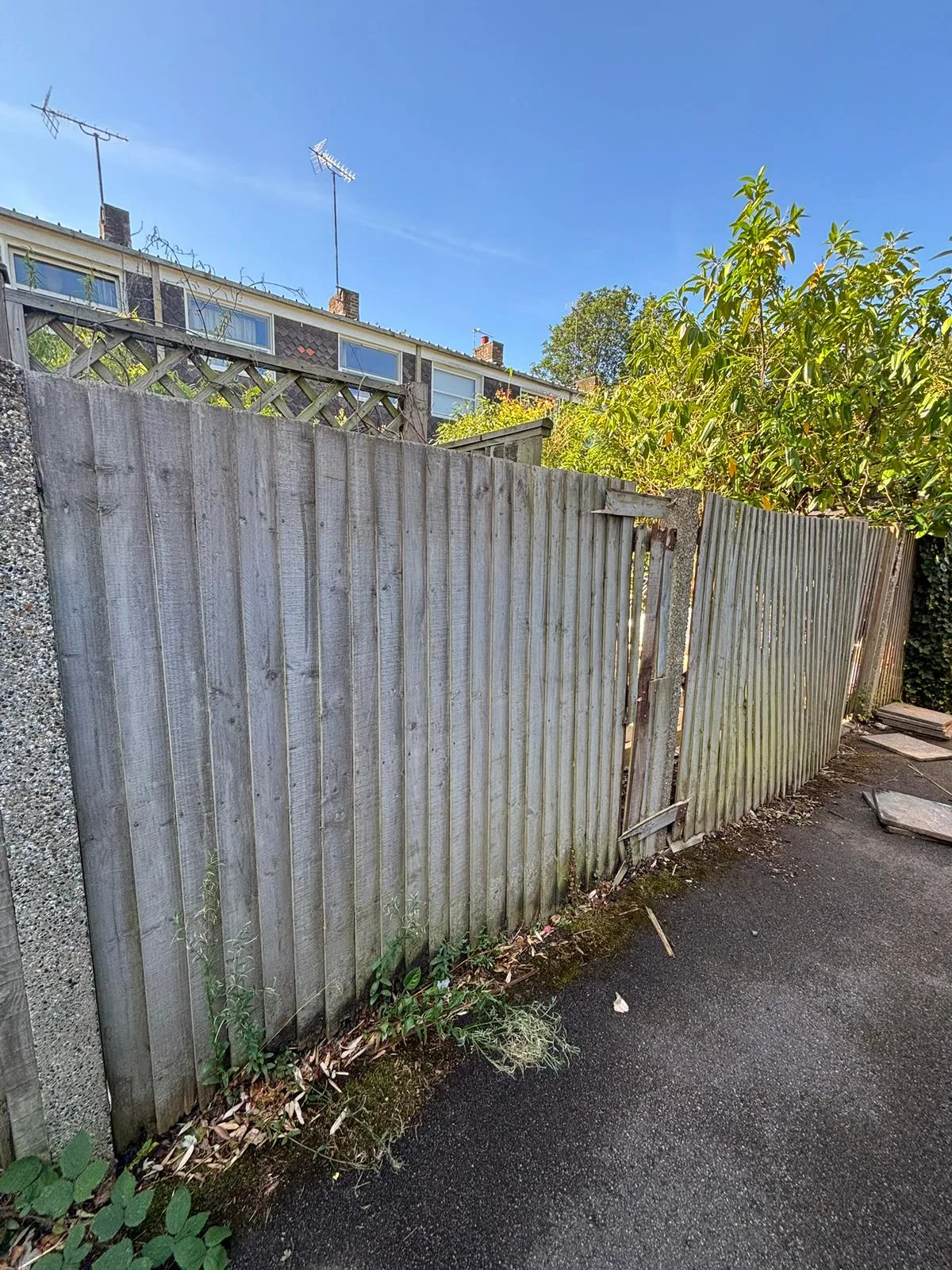
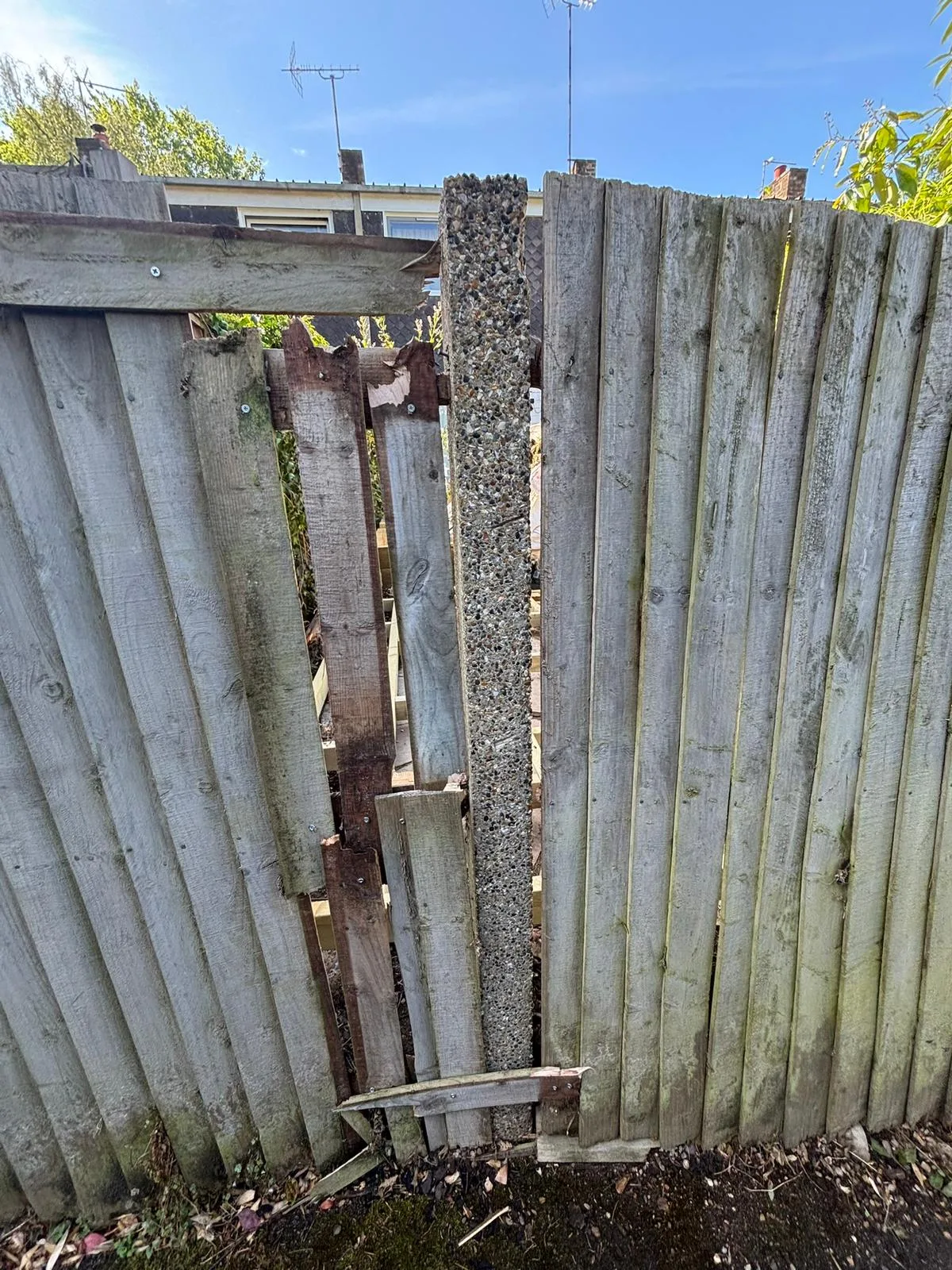
Storm damage, wind-snapped posts, or leaning boundaries fixed fast across DA6.
- Fast 24–48 Hour Response for urgent boundary security
- Based Locally in DA6 for Ultra-Fast Emergency Response
- 9.8/10 Rated Local Landscaping Specialists
Don't Replace It if We Can Save It
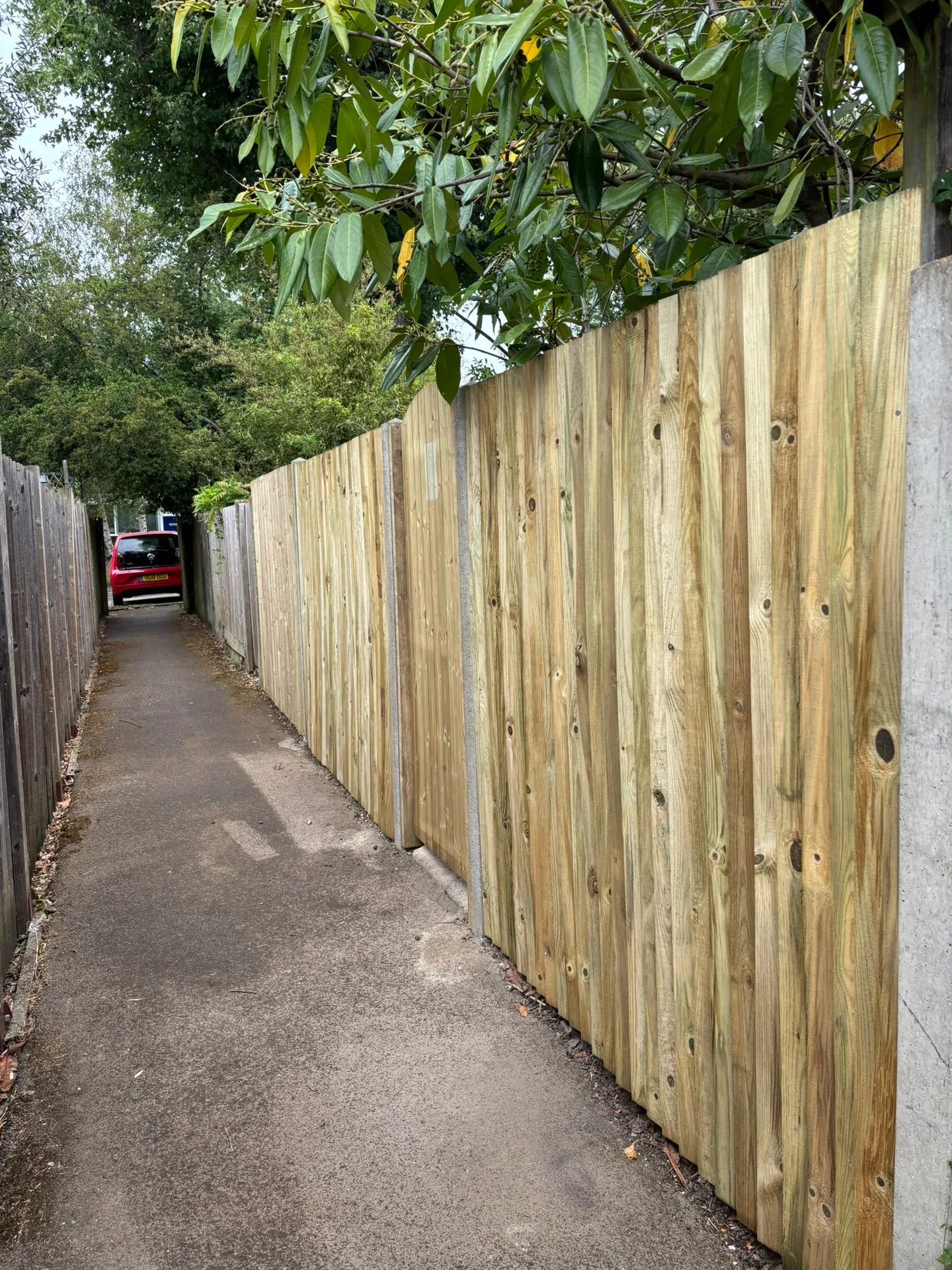
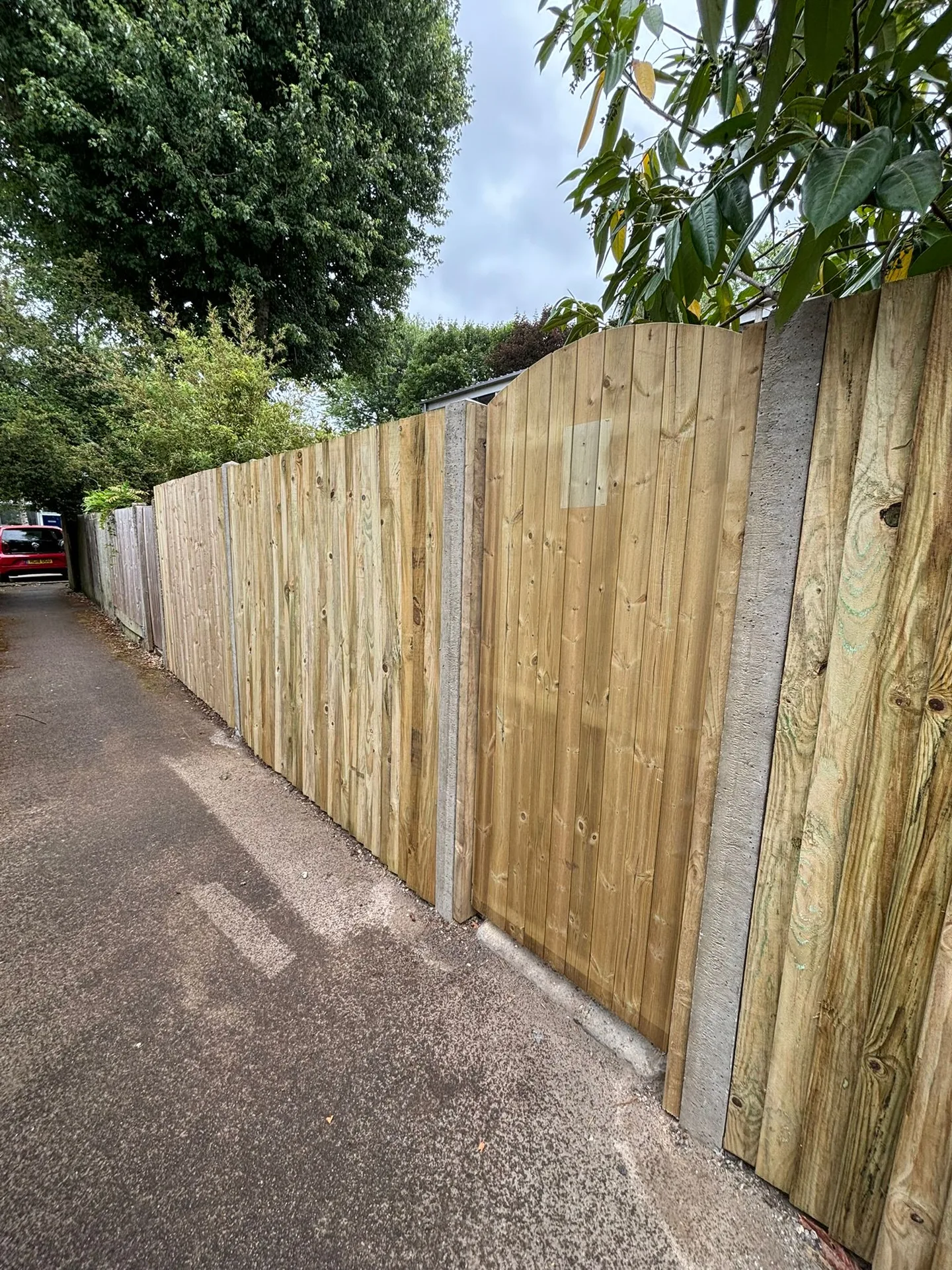
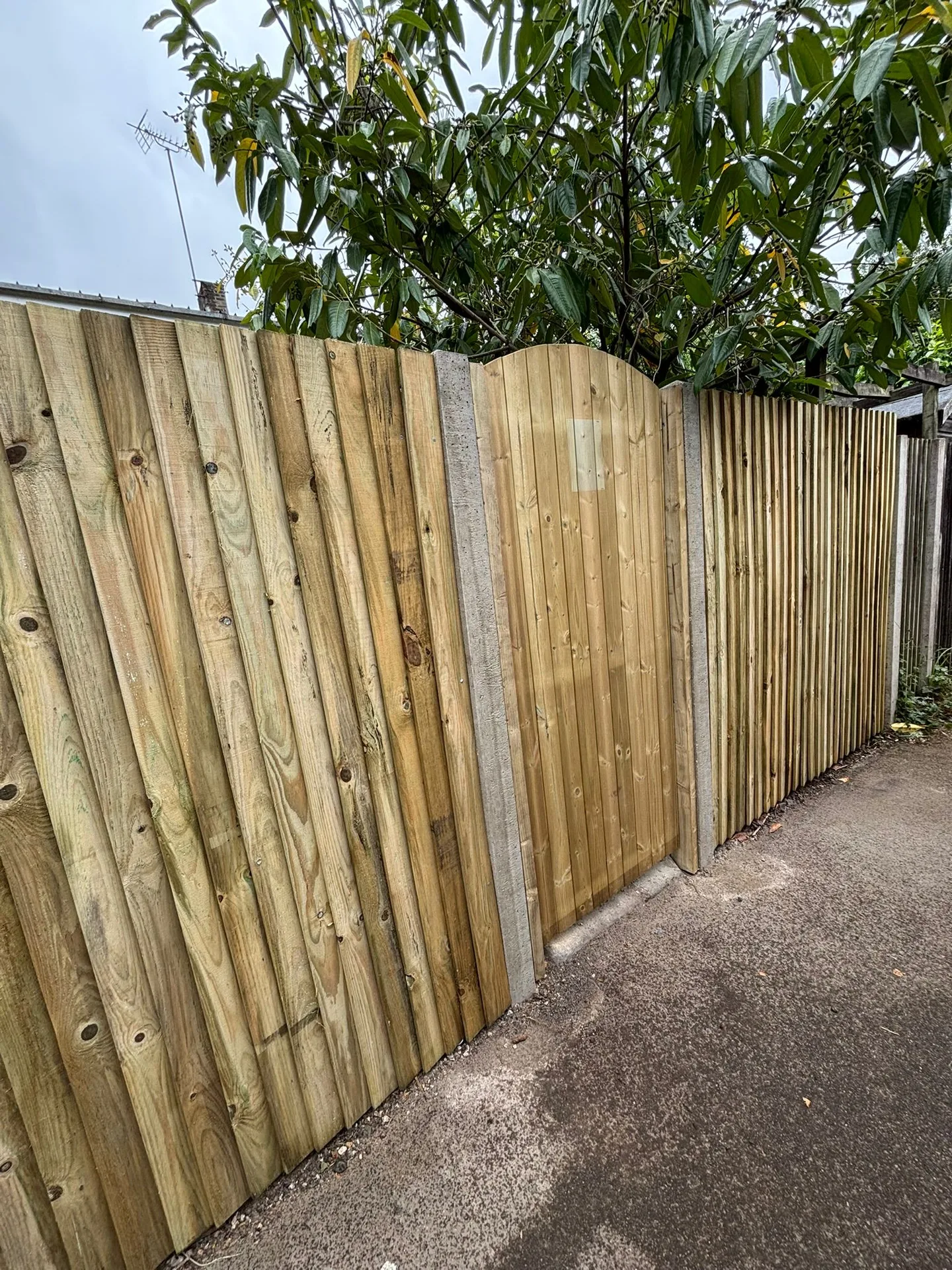
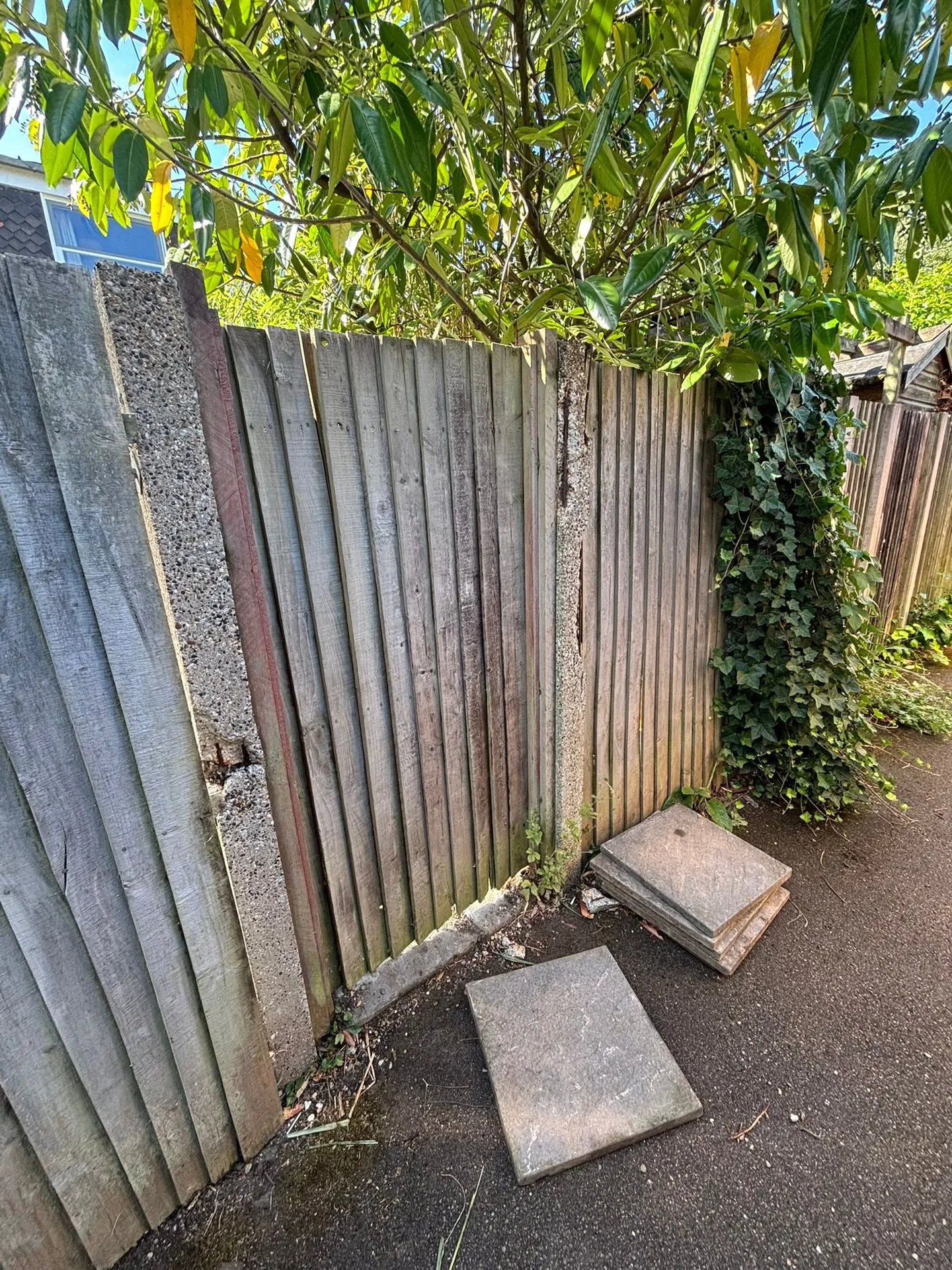
Slide to see how we save Bexleyheath homeowners thousands by structurally repairing fences instead of tearing down whole boundaries.
Why Do Fences Fail in Bexleyheath?
We don't just patch up the wood; we fix the structural root cause.
Suburban Garden Boundary Stress
The Problem: Long garden boundaries in DA6 often feature aging timber posts that lean under heavy wind shear.
Our Fix: We install steel-reinforced concrete repair spurs to pull leaning boundaries straight without replacing good panels.
Heavy Clay Footing Shifts
The Problem: London Clay across Bexleyheath causes shallow concrete post bases to shift and loosen over time.
Our Fix: We re-set posts into deep 600mm concrete footings designed to withstand seasonal clay expansion.
Ground-Line Timber Decay
The Problem: Untreated post bases rot underground, leaving fences vulnerable to sudden storm collapse.
Our Fix: We use pressure-treated timber with Postsaver sleeves or concrete spurs for long-lasting rot protection.
The "Posts and Rails" Myth
One of the most persistent myths we hear quoting in Bexleyheath is that whichever side has the fence posts owns the boundary. It doesn't — ownership comes from the property deeds, not which side the rails face. When deeds are silent on a boundary, which happens more often than people expect, the practical fix is a simple written agreement between neighbours confirming who's responsible for what, rather than relying on which way the fence happens to be built. Where this actually matters in practice is cost-splitting. Homeowners sometimes assume that because their post shows on the boundary, they're solely responsible for the whole run, and end up paying for a neighbour's share by default rather than through any legal requirement. A short written note between neighbours, even just an email confirming who's paying for what and who'll maintain which side, avoids that assumption doing the deciding for you. We're happy to talk both households through the practical split before quoting a Bexleyheath job that spans a shared boundary.
Fence Repair
Watch our founder-led team complete a structural fence repair and timber post installation in South East London.
Proudly Serving the Bexleyheath Community
Areas We Cover in DA6
As your local landscaping team serving DA6, we can be on-site quickly to secure your Bexleyheath property.
- Barnehurst
- Bexleyheath Clocktower
- Crook Log
"Highly recommend The Tree Amigos Landscaping & Gardening. Brilliant team led by Billy and Vincent who delivered an amazing outcome despite the most challenging circumstances."
Other South East London Areas We Cover
As well as Bexleyheath, we provide our ultra-fast fence repair service across South East London, including:
Looking For A Full Garden Upgrade?
If your fence is beyond repair, we offer premium new fencing installations, including high-end cedar slatted screens for ultimate modern privacy. We also specialise in full garden makeovers, porcelain patios, and decking across the borough.